A life dedicated to Bangladesh
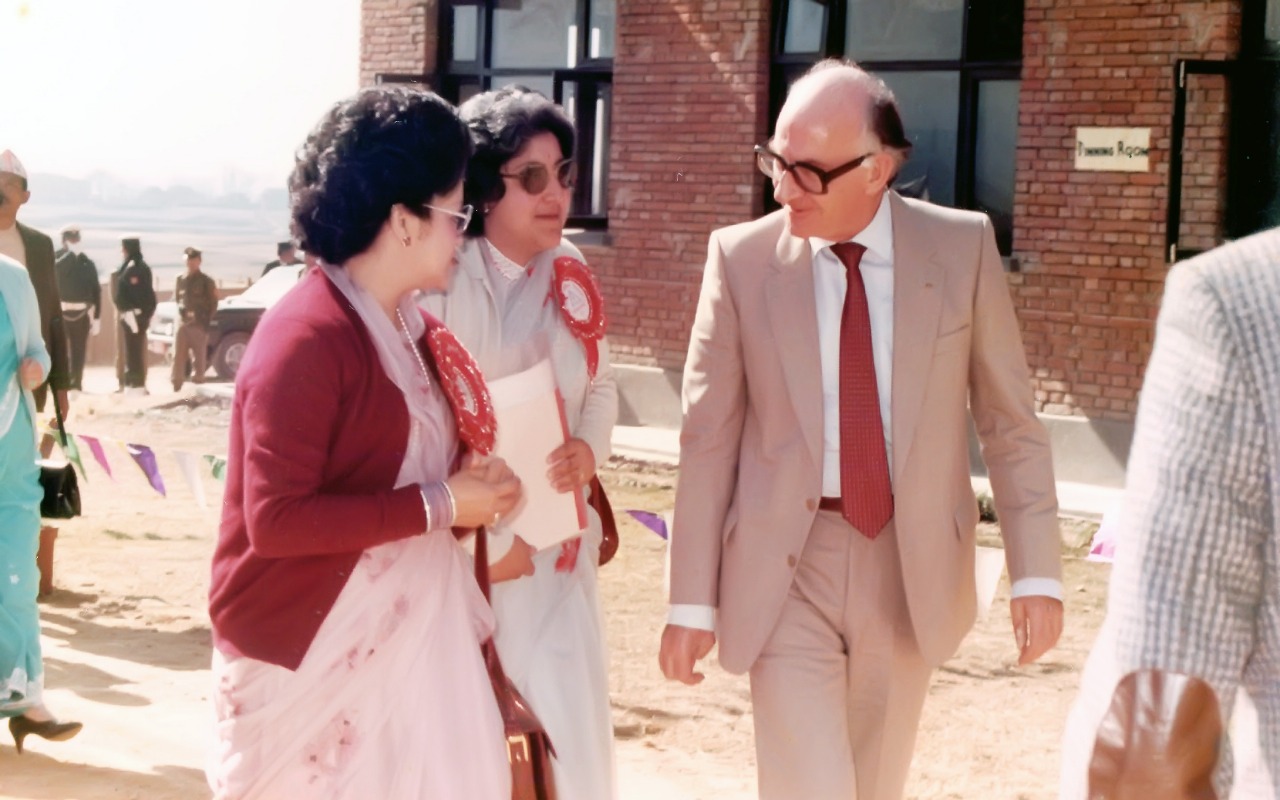
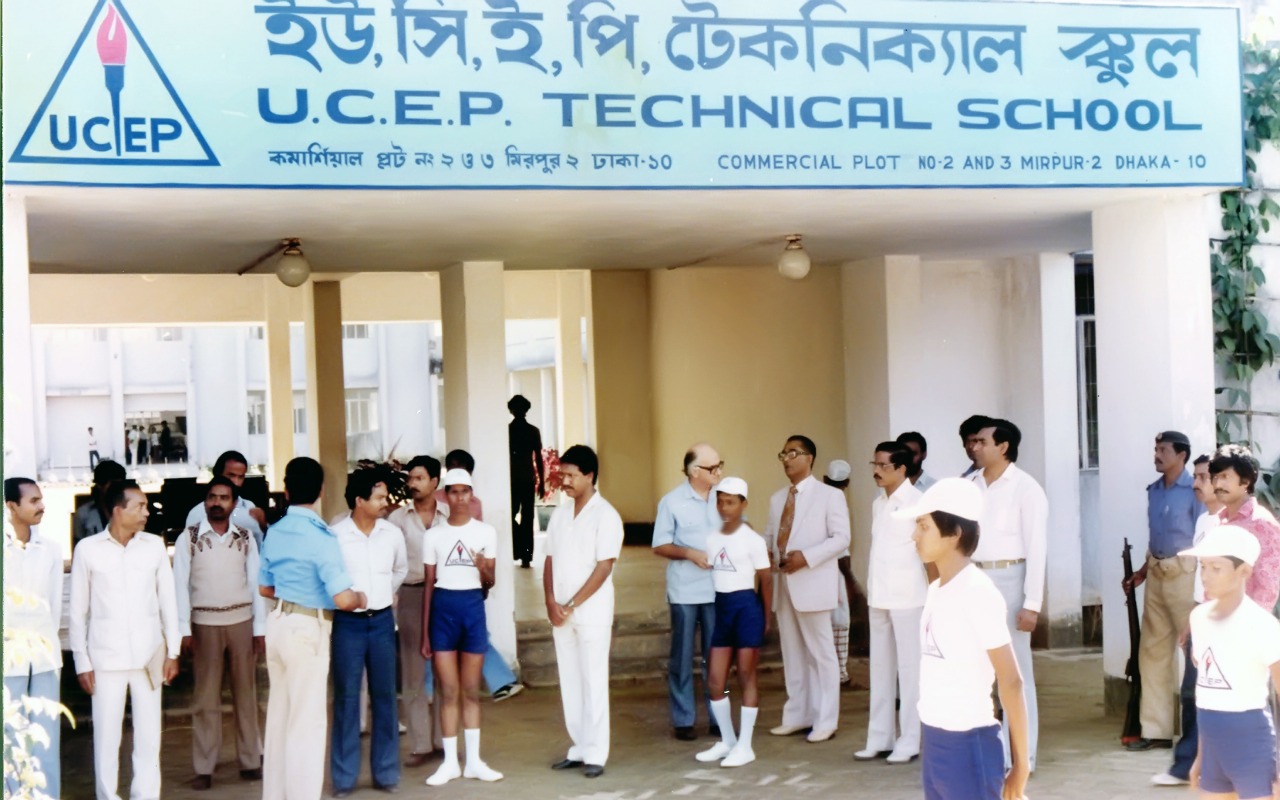
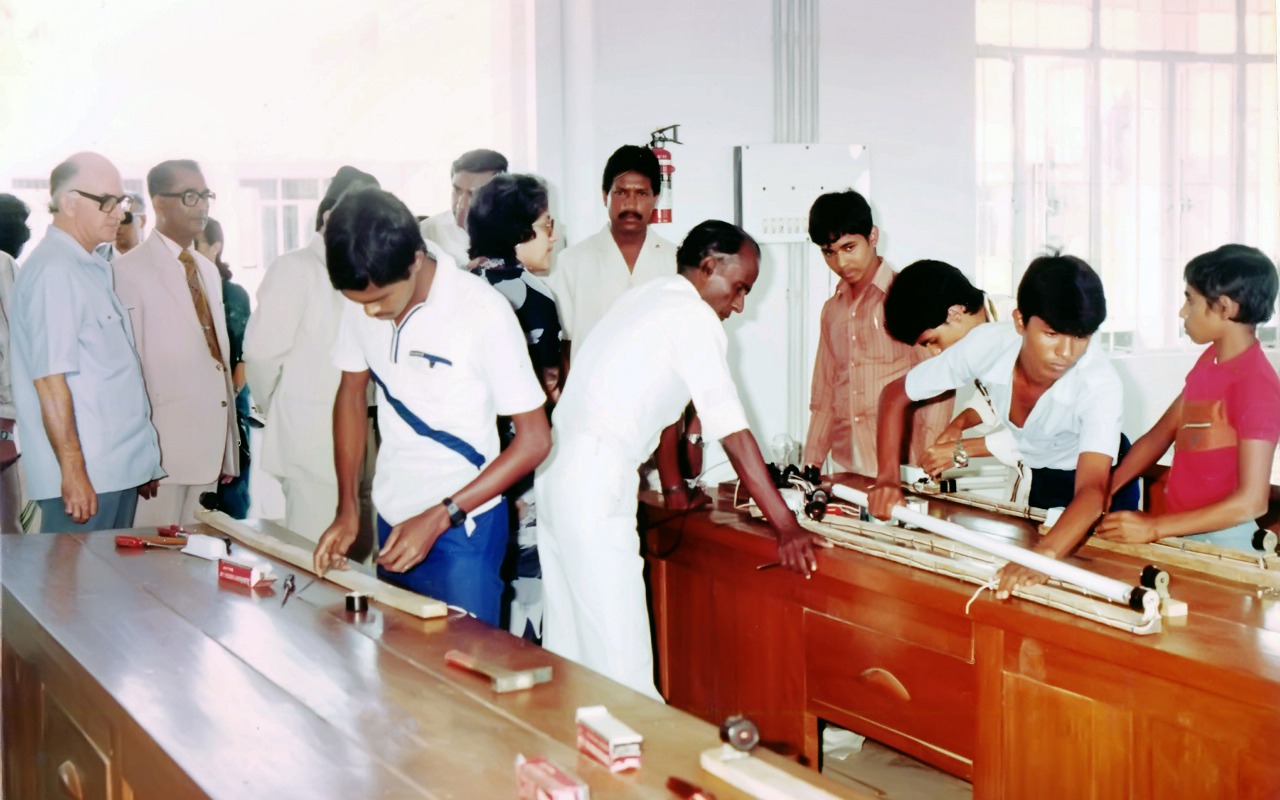
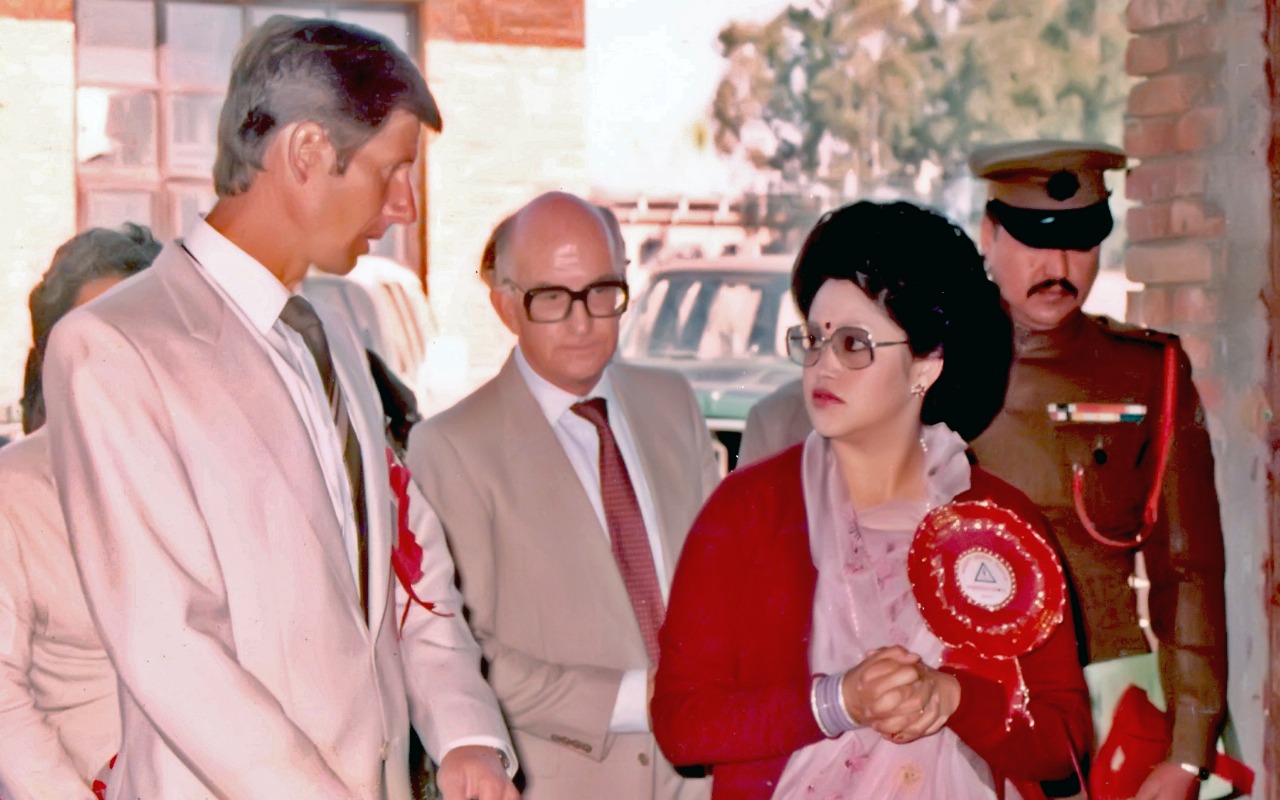
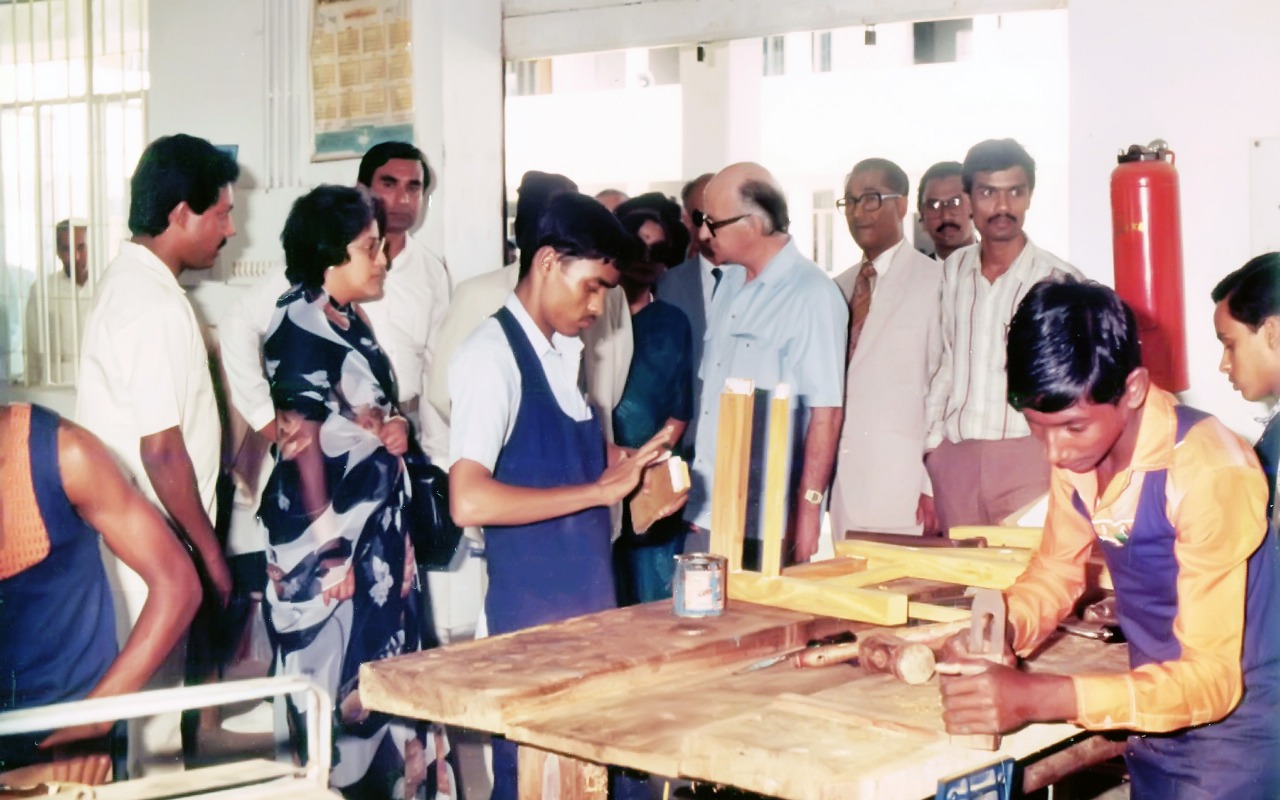
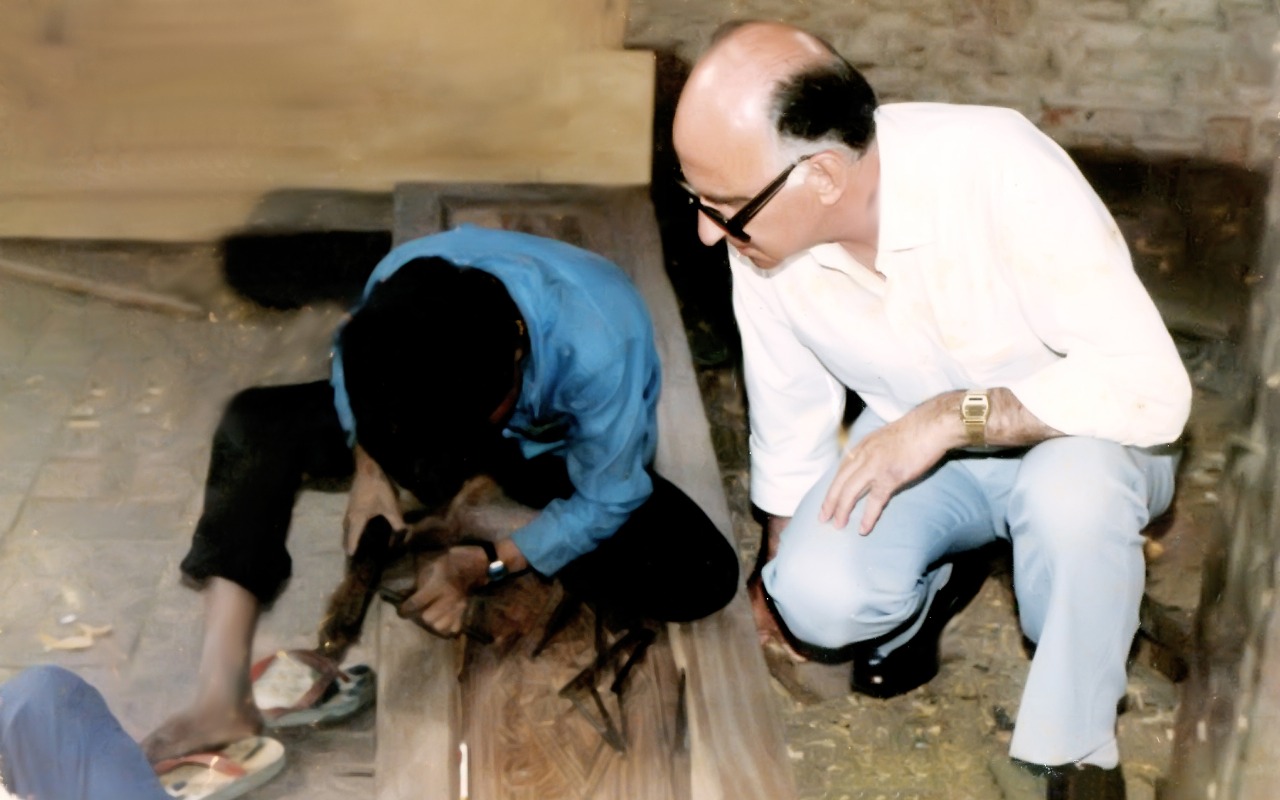
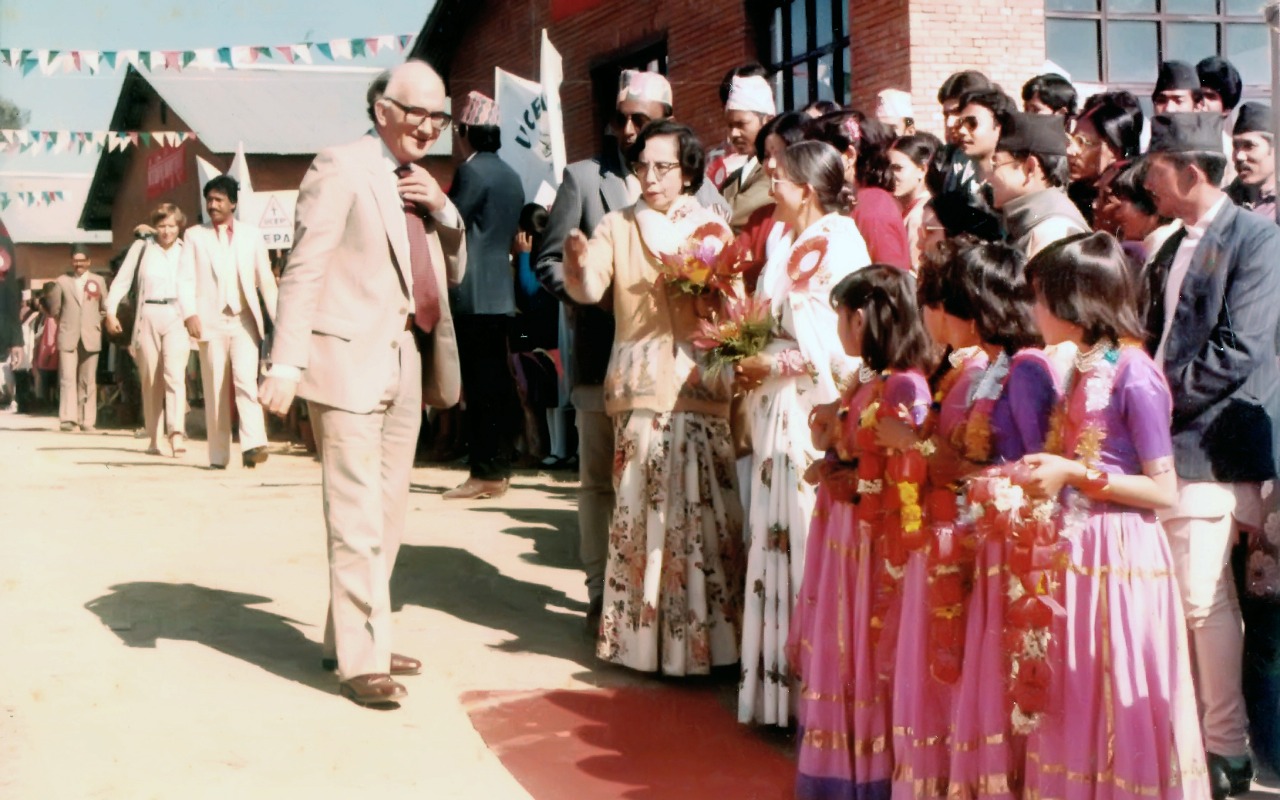
The legacy of Lindsay Allan Cheyne (1931–1986), a compassionate visionary from New Zealand, remains a cornerstone of social transformation in Bangladesh. Driven by a profound belief in the power of education, Cheyne dedicated his life to rewriting the futures of street-connected and working children through the founding of the Underprivileged Children’s Educational Programs (UCEP). His humanitarian journey was shaped by personal resilience; after losing his wife and son in a tragic accident in the United States, he redirected his grief toward service, arriving in a newly independent Bangladesh in 1972. Moved by the sight of young children laboring in hazardous conditions without access to schooling, he committed himself to creating a system that recognized their right to learn, work, and thrive. The birth of UCEP was a testament to Cheynes unwavering determination. Beginning in a single corridor of Dhaka University’s Institute of Social Welfare and Research (ISWR) with only 60 students, the program quickly gained momentum. Cheyne understood that traditional academic models failed working children, so he introduced a revolutionary shift-based learning schedule and the 3R teaching method; Read, Recite, Review, to accommodate their work lives. This innovative approach ensured that basic literacy was seamlessly integrated with hands-on vocational training, creating a direct and practical pathway from the classroom to the workforce. Today, UCEP Bangladesh has evolved from its humble beginnings into a national leader in Technical and Vocational Education and Training (TVET). Although Cheyne passed away in 1986, his vision has expanded into a vast network of technical schools, polytechnics, and professional institutes that serve more than 35,000 learners annually. By maintaining strategic partnerships with over 2,500 employers, the organization ensures its graduates are equipped with industry-responsive skills in trades ranging from automotive mechanics to IT. With more than 200,000 lives transformed to date, UCEP remains a vital engine for social mobility, ensuring that every young person, regardless of their background, has the opportunity to achieve a dignified and sustainable livelihood.
Cheyne Gallery